
Bahiagrass (Paspalum notatum)
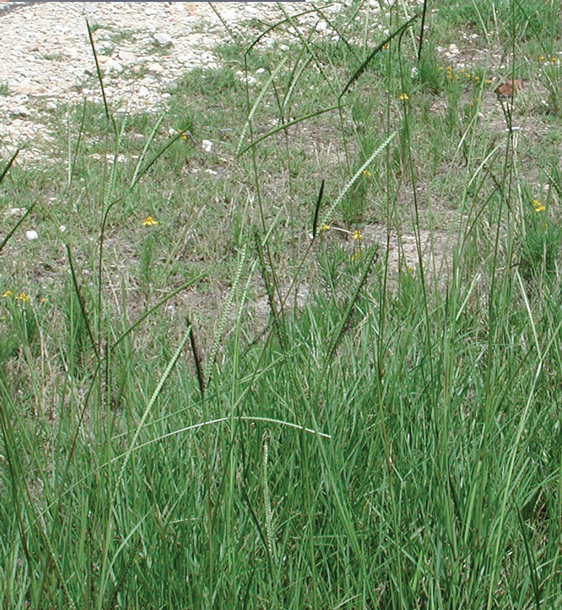
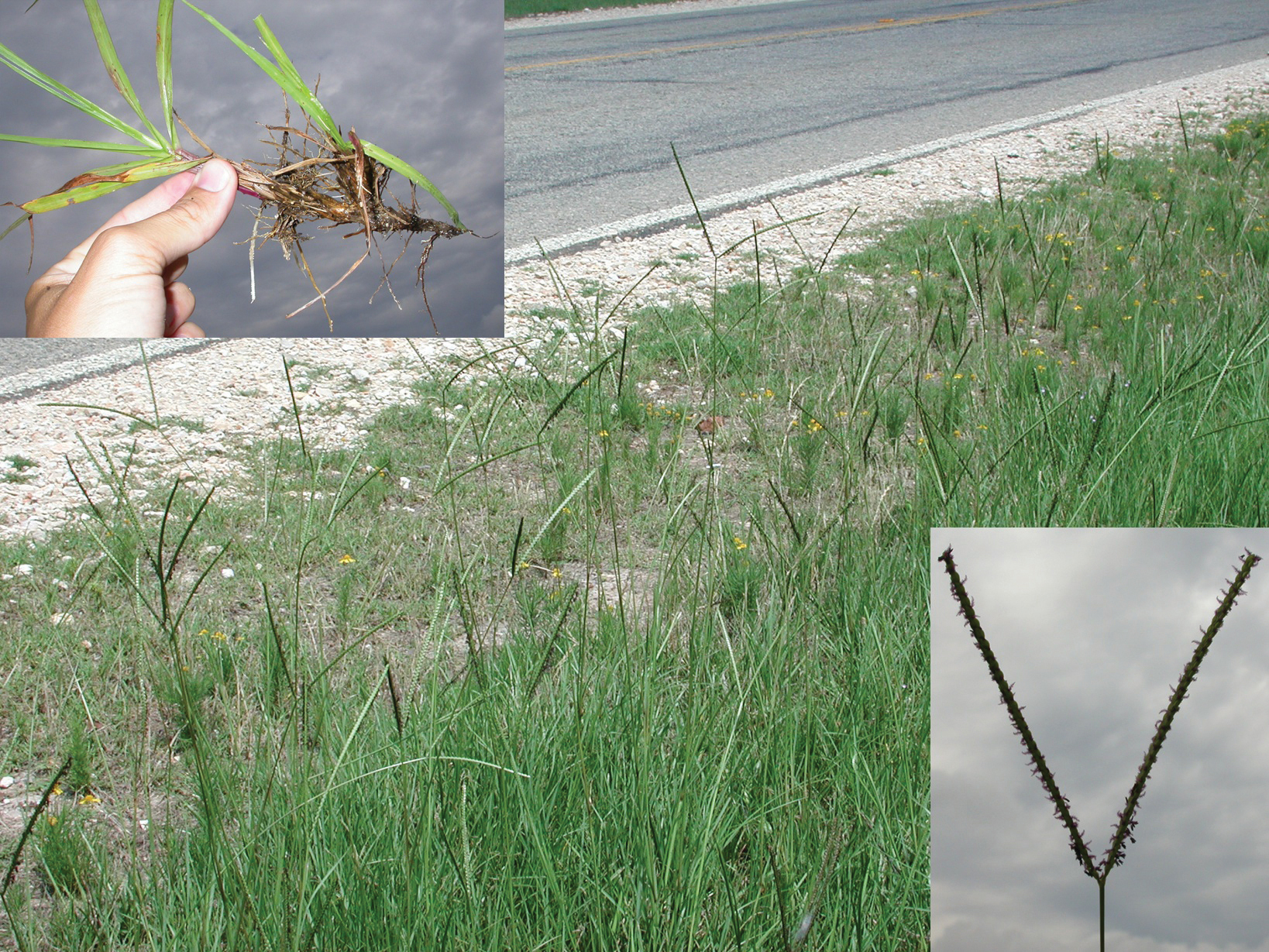
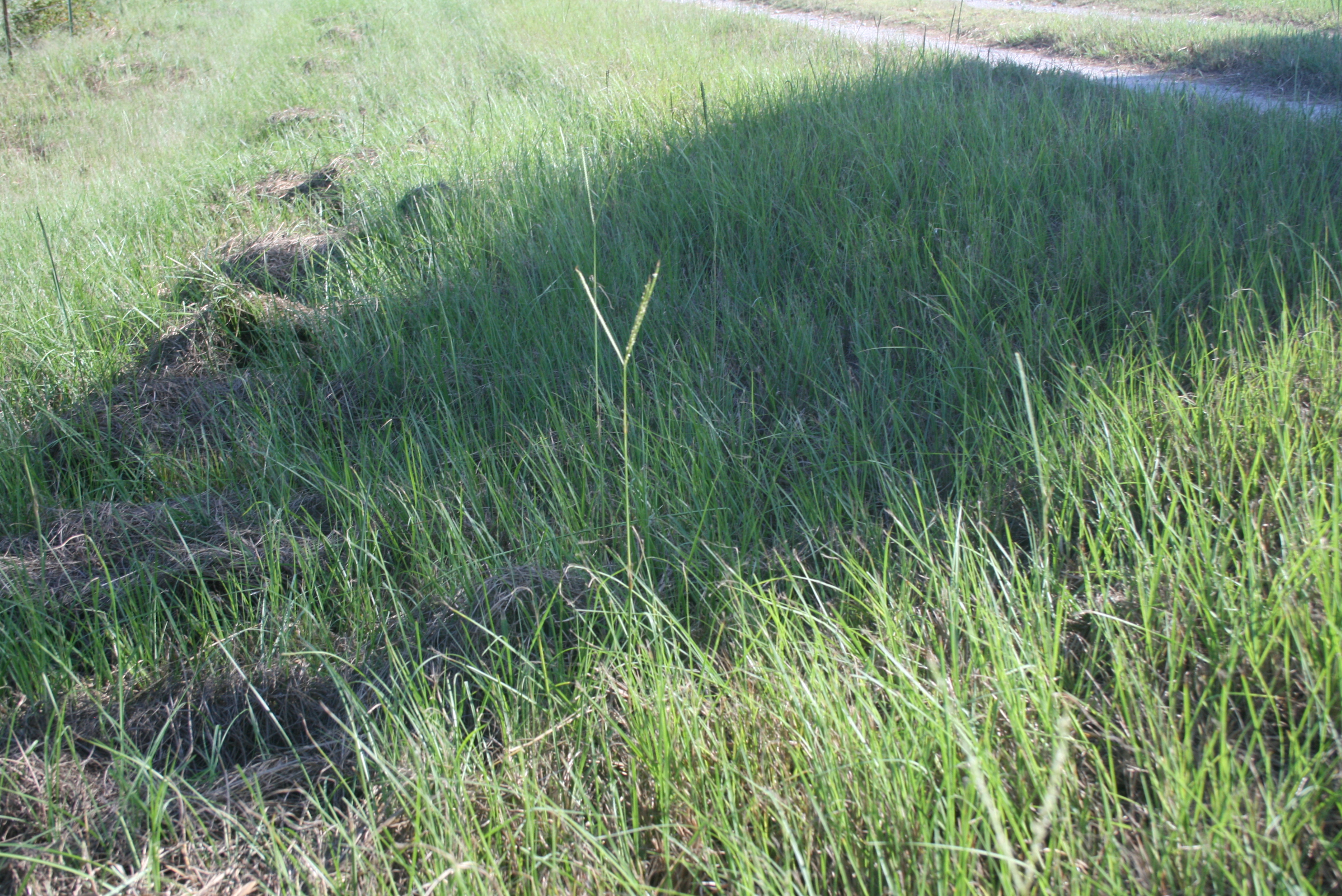
Bahiagrass was introduced from South America in the early 1900s as a warm season, perennial sod-forming grass. It is utilized in the southern United States for erosion control, pasture and turf grass.
Bahiagrass is commonly known as “Pensacola” bahiagrass. There are also many other varieties that can be planted for different applications like lawns and high traffic areas, such as playgrounds.
- Thrives in the sandy soils of East and South Texas, but is also found on many other soil types. It has been known to grow in Central Texas.
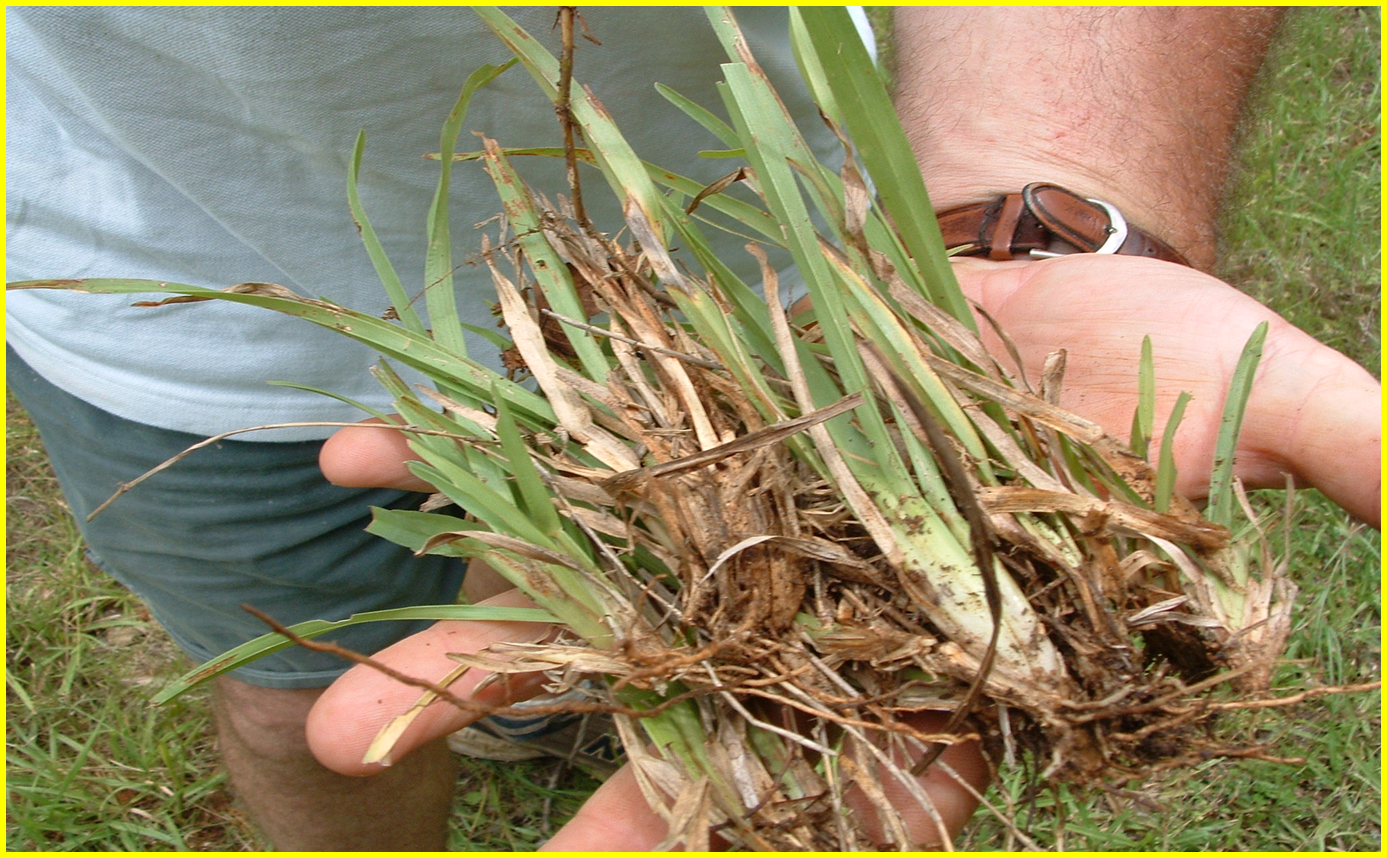
- A low growing plant that spreads easily from a dense network of underground rhizomes, above ground stolons and prolific seed production.
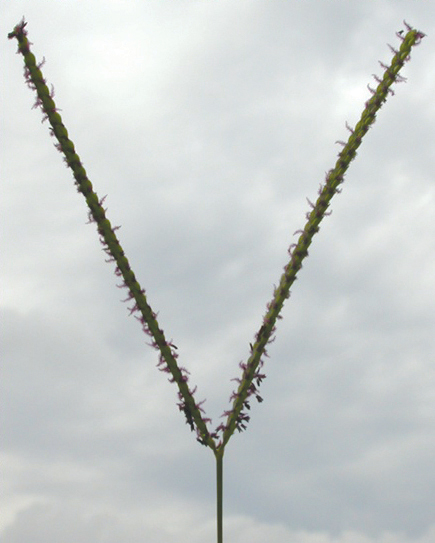
- Has flat leaf blades that can reach a length of 20 inches and a seed stalk that is generally 20 to 30 inches tall with 2 racemes (seed heads) that produce seed several times a year.
Bahiagrass is a highly palatable grazing forage for cattle and the seed is utilized by wildlife. It is very drought tolerant and can tolerate close grazing.
Bahiagrass can become invasive and crowd out better and more desirable forages because it can grow well under very poor fertility and growing conditions.
The variety “Argentine” can develop ergot — a type of toxic fungus — in the seed head and cause abortions in horses and toxic poisoning effects in cattle.
Bahiagrass can be controlled with a timely application of herbicide if it becomes a problem in pastures.
Editor’s note: Kent Ferguson, retired rangeland management specialist from USDA Natural Resources Conservation Service (NRCS), is providing us with plant identification photo stories to help ranchers identify those forbs, forages and species growing in the pastures. Additional photos provided by USDA NRCS.
Bahiagrass is excerpted from the December 2015 issue of The Cattleman magazine.