Health Equals Wealth in Stocker Cattle
Merck Animal Health veterinarian shares how immune system management is the key to profitability at the stocker level.
By Nicole Lane Erceg
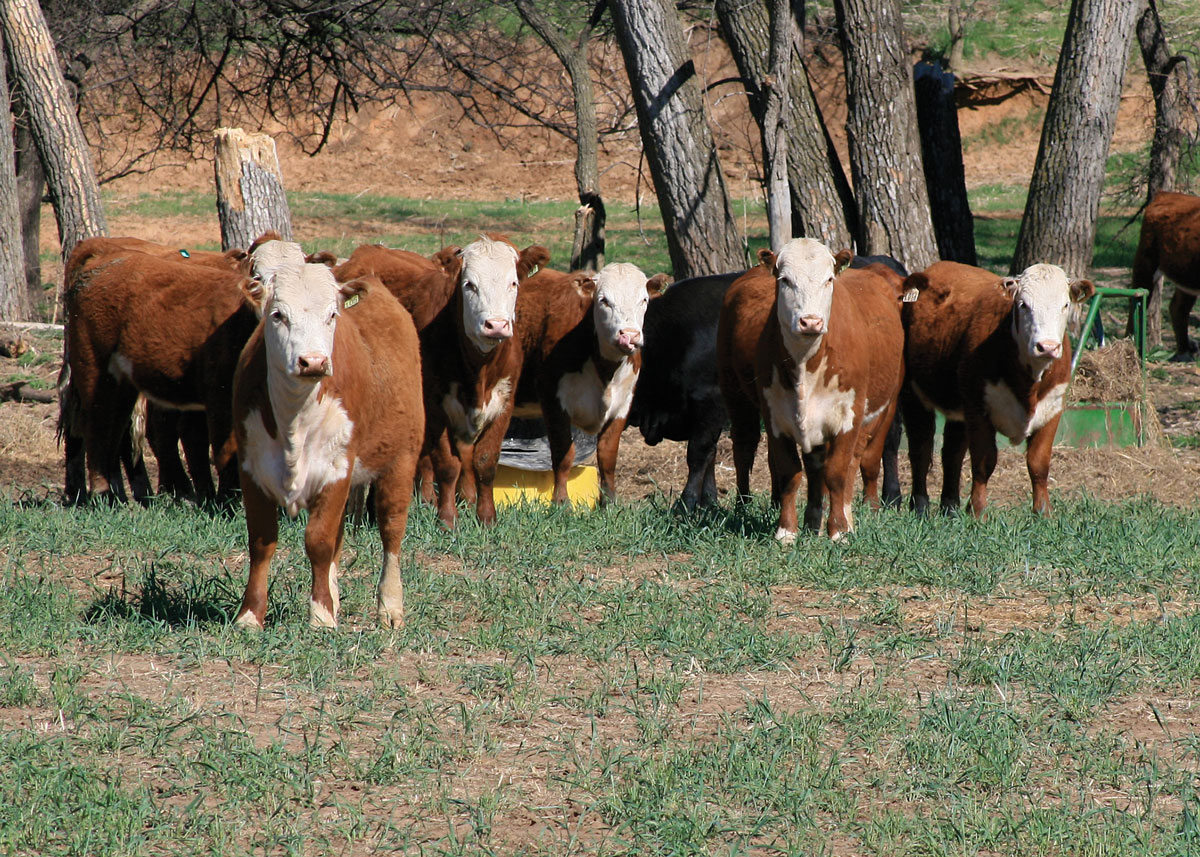
When a calf steps off the trailer into a stocker or backgrounding program in the southern U.S., its immune system is instantly in uncharted territory. Stressed from travel, comingling and separation from the ranch of origin, calves often enter the stocker phase unprepared for the disease and stress challenges they need to face.
Harold Newcomb, D.V.M., technical services manager for Merck Animal Health, says the way stocker cattle are managed upfront is vitally important to health and profitability.
“When you pick up animals from a variety of sources, the more points of origin the higher the disease mixture and exposure,” says Newcomb.
Managing healthy stocker cattle is a process easier said than done. Newcomb says it takes a keen eye to judge stress and make management decisions that meet the needs of the calves and the economics of a profitable business.
“Stress kills production,” says Newcomb. “The more stressors we put on those cattle the more production killing we are going to do, the more we are going to hurt our bottom line.”
Give cattle a break before processing
He recommends designing a receiving program that allows cattle enough time to rest before processing begins. No magic number exists for the perfect standard rest period, but Newcomb says each producer should take into consideration the stress level of the calves to determine the right number of days — allowing higher-stressed calves to rest longer and examining less-stressed cattle as candidates for reduced rest periods. Before processing, he advises that cattle always have the opportunity to rehydrate.
In scenarios where calves come straight from the ranch, many may not know how to eat or drink in the new environment. By placing waterers and feed prominently in pens where calves will run into the trough when circling the pen, Newcomb says producers can speed the learning process and help the cattle adjust.
He also recommends quickly organizing pens when receiving cattle to reduce stress and disease transmission.
“We need to put together all the cattle we can in the first few days, and use those same groups throughout the entire receiving period,” he says. “When you start a pen, you need to complete that pen as quickly as possible and not continue to add cattle over an extended period of time.”
Get them eating, keep them eating
An often overlooked but vital health component is quality nutrition. In a world where pounds equal profits, he says the job of a good stocker operator is to get the calves eating as soon as possible and then keep them eating.
“Nutrition is critical,” says Newcomb. “It’s important not only to their weight gain but it’s vital to the immune function of the animal and keeping the animal healthy.”
Feeding commodity byproducts is an easy way to keep costs low, but Newcomb recommends investing in quality nutrition, especially upon receiving, to better target end goals.
Cattle coming into a stocker operation tend to suffer from morbidity that causes injury to the rumen and rumen flora. Repairing rumen function is essential to keeping calves healthy and Newcomb recommends consulting a nutritionist to get the calves eating and feeling right from the start.
“We need to match our receiving rations to our end goals,” says Newcomb. “If you work with a nutritionist who understands the challenges these cattle face, then you will see your health problems get a lot better.”
Parasite load can also affect food intake and is one of the first items Newcomb recommends on the processing to-do list. Especially when investing in good nutrition, it’s important that calves can properly use the nutrients to gain weight and strengthen their immune systems. As parasite resistance has become an issue plaguing the industry, Newcomb says to treat cattle with two dewormers at the same time from two separate dewormer classes.
Stocker operators can battle resistance and ensure worm death by using a combination of an Ivermectin and a white wormer like Safeguard® at the same time. This helps control the varying parasite loads that cattle may have when originating from a variety of locations.
Vaccination programs
Once cattle are rested and dewormed, the vaccination process begins. Newcomb recommends creating receiving vaccination programs that are as simple as possible.
The decision-making process for what vaccines to use and when to use them are challenges that are unique to individual producers, Newcomb says. While vaccinations are vital to stopping disease transmission and keeping the herd healthy, too many vaccinations or high-stress vaccinations can do more harm than good.
“The goal is to supply enough immunity to these calves to get them through the stress they may face, but not add too much so that we actually do harm to the calf.”
Newcomb recommends using modified-live vaccines to get the best protection and to choose a proven low-stress clostridial or Blackleg vaccine. When making vaccination decisions, he cautions producers to not administer too many vaccines at the same time. If calves receive a multitude of vaccinations at once, the calf’s energy will be focused on fighting the disease introduced in the vaccines instead of on weight gain, which can negate the profitability of using vaccines for the producer.
“When you are designing a health protocol or vaccination program you need to be working with a veterinarian who has an understanding of all the stressors and complexities that these cattle go through,” says Newcomb.
He recommends building a program that prioritizes immunity to stop disease transmission without adding stress and sacrificing feed intake.
Problem sources can be found in the records
For stocker operators who suffer from high morbidity and death losses, Newcomb says good records can hold the answers to the source of health problems. He cites good record keeping as a very important practice, but that the information in the records is only valuable if it is regularly examined.
“Records can give a historical look at where things are happening and, if you study them closely, they can also tell where problems are coming from,” he says.
Newcomb says to keep solid records of morbidity and mortality rates. By keeping track of how many cattle are getting sick, how many are dying and the initial pull date, producers can determine whether the health problem stems from the receiving program, the cattle source or management problems potentially created by the operator.
If the cattle pull date trends high in the first week upon receiving, Newcomb says producers can attribute the problem to the buying source or hauling. If higher than expected morbidity rates are coming from cattle in the pens, then the issue may be in the labor source. He says records can help identify if procurement sources should be used in the future.
“Records provide information that is so valuable but as stocker operators, we don’t often look at that,” he says. “This is the reason we should be employing a veterinarian who does stocker medicine to evaluate the records and help determine what records to keep.”
Designing the perfect profitable program
Not all operations are the same and not all operations will need the same management practices. Newcomb advises consulting a veterinarian and nutritionist to help design a health program that works for each individual’s operation. While each business is unique, he shares that when producers balance health with economics, it helps create a profitable business. Prioritizing the factors that contribute to health can be challenging, but from the time the calf steps off the trailer to the moment it leaves, Newcomb says a focus on good health and immunity will lead to pounds and revenue.
“It’s all about health,” says Newcomb. “Health is connected to nutrition. It is connected to vaccinations and it is connected to management.” ❚
“Health Equals Wealth” is excerpted from the August 2017 issue of The Cattleman magazine.