
The Iconic Whooping Crane
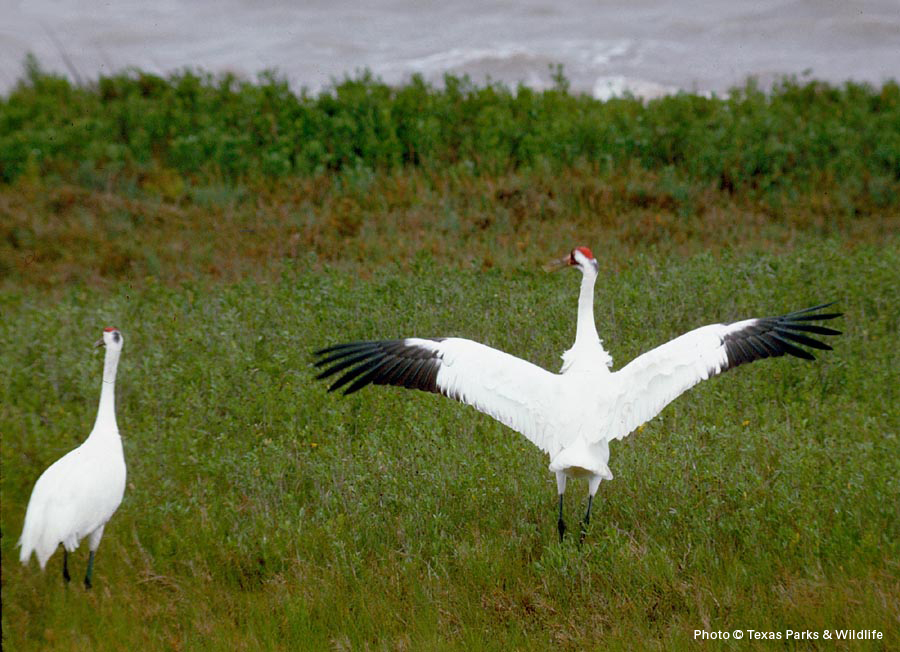
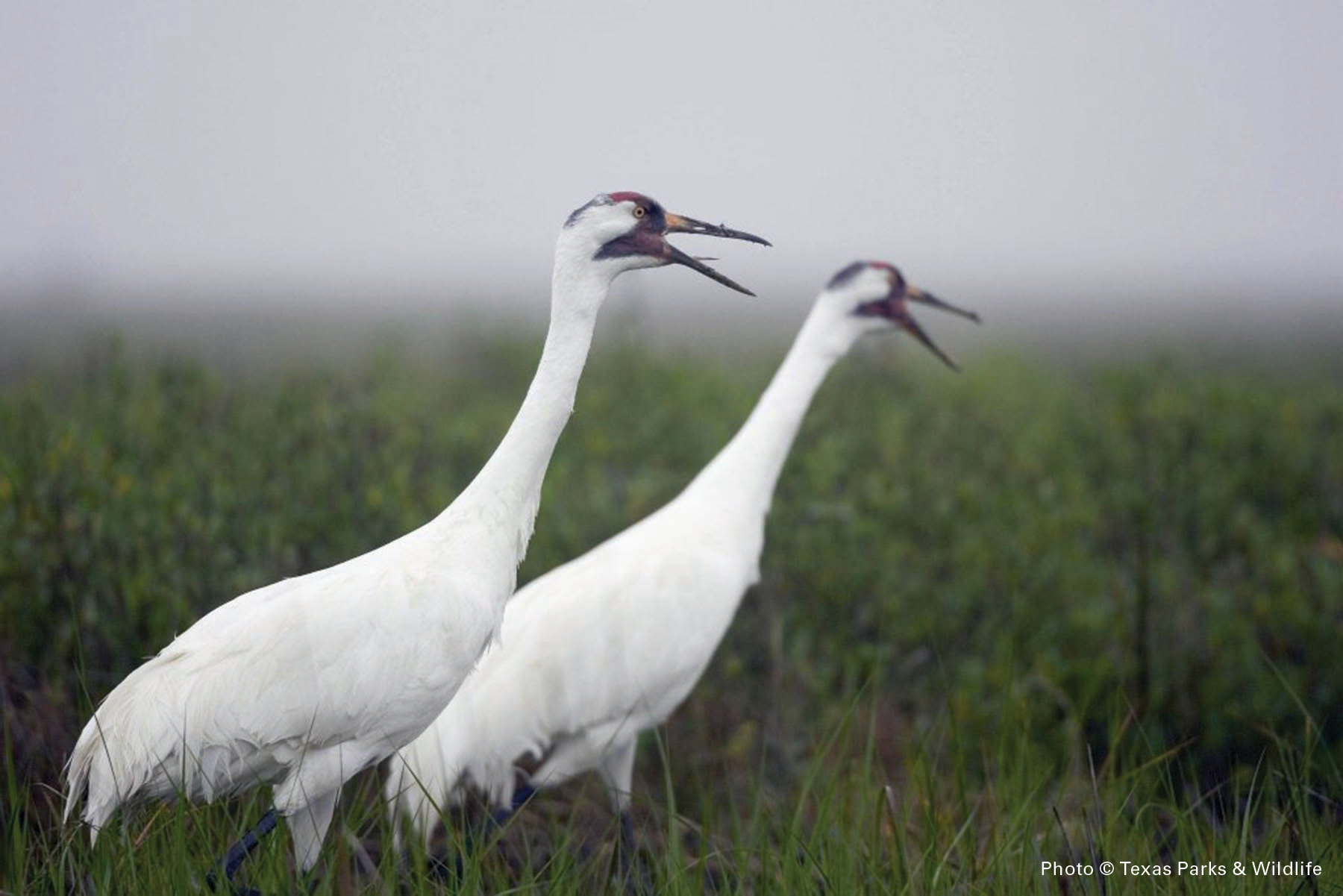
From December through March, you may see migratory whooping cranes where normally you do not. A late migration in 2017 means whooping cranes are showing up in Texas just as waterfowl and sandhill crane hunting seasons get underway.
It is vitally important for sportsmen to review the crane and waterfowl identification guide in the Texas Waterfowl Digest and familiarize themselves with the identifying characteristics of both hunted and protected migratory bird species.
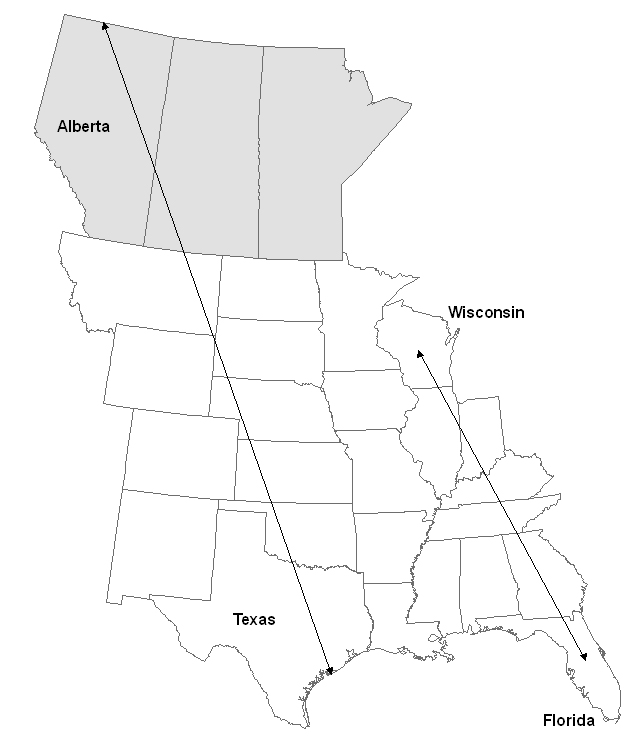
The normal migration route of the whooping crane is from Canada down to Texas’ coastal plains near Rockport and in and around Aransas National Wildlife Refuge. However, because of Hurricane Harvey and its impact on their habitat, it is possible that they will be seen in other areas as well. Texas Parks and Wildlife Department (TPWD) is reminding Texans to be on the lookout for these impressive birds as they move through the state.
This beautiful bird is one of the most endangered birds on the planet, with a population that fluctuates from the devastating low of 16 birds in 1942 to almost 300 in 2012 and a record 431 last year, thanks to conservation efforts and protection from shooting. As the crane population grows, the birds are beginning to explore and expand into new habitat.
The wild flock breeds at Wood Buffalo National Park in northern Alberta, Can., then migrates 2,400 miles south to just a few locations in the Texas coastal area. They feed on the blue crabs and marine life of this region. The migration route includes stopovers in the prairies and wetlands of Nebraska, Kansas and other states.
Because all the birds in the wild flock breed and overwinter in close proximity, they are vulnerable to events that disturb their environment, such as oil spills, wildfires and, as seen this year, hurricanes. All these have the potential to decimate the population.
To help ensure the long-term survival of whooping cranes, many groups have worked to protect and reintroduce the species in other parts North America through captive breeding and reintroduction programs.
“Iconic Whooping Crane” is excerpted from the December 2017 issue of The Cattleman magazine.